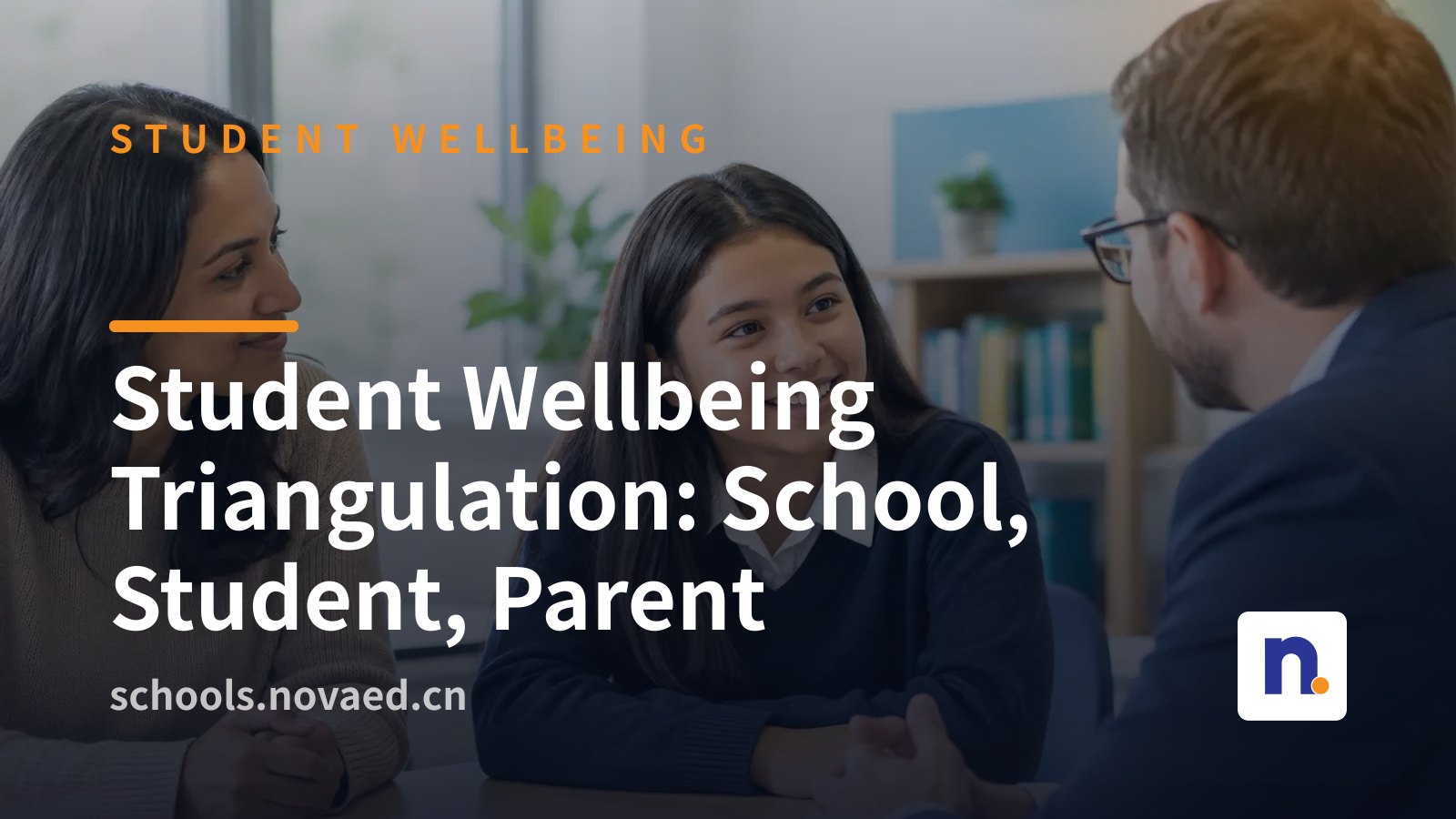
Student wellbeing is rarely about one isolated issue. A dip in attendance, for example, may stem from academic pressure, social challenges, sleep disruption, family change, or unmet learning needs. Schools see part of the picture; students hold their lived experience; parents observe what happens before and after school hours. Triangulation, bringing these three perspectives into intentional alignment, enables more accurate understanding and timely, coordinated support. It prevents overreaction to single signals or delayed responses due to fragmented information. This approach centers student voice, respects cultural and linguistic diversity in communication, and builds shared expectations across home and school, especially vital in international and bilingual settings across Asia and beyond.
A well-designed curriculum often remains difficult to manage when planning, delivery, assessment, and reporting live in separate systems. Teachers may hold strong unit plans in shared drives, track coverage in spreadsheets, and log evidence across disconnected tools, making each student’s learning story hard to follow. Curriculum management software for connected schools bridges these gaps by integrating what is taught, how it is assessed, and what each learner needs next. It supports continuity across grades, subjects, and campuses, not by standardizing every lesson, but by making agreed expectations, evidence, and transitions visible to the right people at the right time. For leaders, it delivers dependable insight; for teachers, it saves time and deepens impact.
Student wellbeing alerts work best when they reflect meaningful patterns, not isolated incidents, across attendance, behavior, academic engagement, teacher observations, and family communication. Schools need connected records to avoid fragmented views, where a tutor sees absences but misses recent counseling notes or activity withdrawal. Clear thresholds must align with student age, school rhythm (e.g., exam periods or transitions), and context, like medical conditions affecting attendance. Each alert should be explainable, actionable, and recorded in the student’s shared history, supporting, not replacing, human judgment. Roles for review must be defined: homeroom teachers for early concerns, learning support or safeguarding leads for complex patterns. Including families thoughtfully, with transparency and respect, adds vital context.
School Marketingschool marketingenrollment strategy
School marketing is not a standalone function, it’s the first chapter of a family’s journey. The most effective strategies begin with the questions families actually ask: Will my child be understood? Will they belong? This article outlines 12 practical, purpose-driven ideas, from rethinking open days and amplifying student voices to using inquiry data meaningfully and aligning admissions with classroom experience. Each idea supports clarity, consistency, and confidence across every touchpoint, helping schools attract families who resonate with their educational approach. It emphasizes storytelling grounded in real practice, respectful of privacy, and responsive to diverse needs, including language, transition, and community belonging.
School Operating Systemschool operationsadmissions workflow
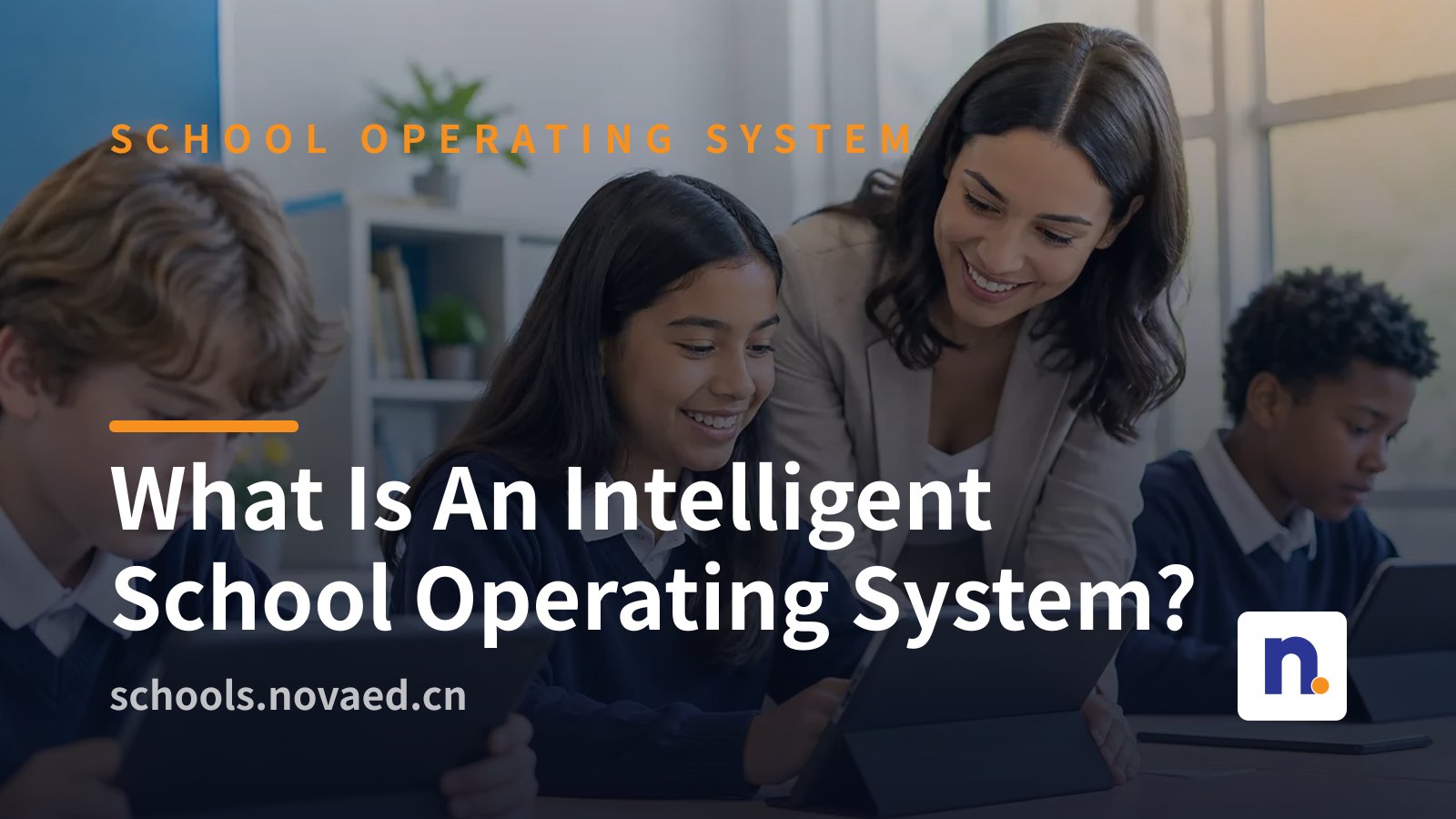
When a family submits an inquiry on Monday and, by Friday, admissions has scheduled an assessment, finance has prepared accurate fee details, and school leaders have a clear view of likely enrollment, this seamless flow should not rely on disconnected spreadsheets, duplicated data entry, or email chains across departments. An intelligent school operating system unifies these actions around a single, evolving student and family record, from first inquiry through application, assessment, placement, enrollment, academic progress, pastoral care, invoicing, re-enrollment, and graduation. It supports international and bilingual schools facing multilingual communication, cross-border mobility, and mid-year entry by ensuring consistency, clarity, and coordinated action.
School Management Softwareschool billingenrollment operations
School billing should not be the moment families begin to feel uncertain. When enrollment decisions, student records, communications, and financial data live in isolation, teams waste time reconciling discrepancies, and families receive outdated or inconsistent information. A unified student and family record ensures charges reflect real-time decisions: sibling discounts, midyear enrollments, transportation selections, or campus transfers all update billing automatically. Adjustments flow across admissions, operations, and finance without manual re-entry, reducing errors and delays. This is especially valuable in international, bilingual, or multi-campus schools where payer roles, language preferences, or inter-campus moves add layers of complexity. Clarity begins not with prettier invoices, but with connected systems, consistent fee definitions, and intentional design that links policy to practice.
School Enrollmentwaitlist managementadmissions process
A waitlist is not a pause button, it’s an active, dynamic part of the enrollment journey. Effective management starts before capacity is reached: schools must define a clear, leadership-approved policy covering eligibility, priority criteria (e.g., language readiness, learning support needs, sibling status, or curriculum continuity), application validity periods, and exception protocols. Eligibility and priority must be kept distinct, families may qualify but not match an opening’s specific requirements. Each waitlisted student needs one live, unified record containing assessments, communications, support notes, and placement preferences. This record must sync with real-time capacity data, including class-size limits, timetable constraints, and specialist provisions. Honest, timely communication, without overpromising dates or positions, builds trust and ensures families understand how decisions are made.
School Management Softwareadmissions softwarestudent journey
Admissions Software Review: What Schools Should Test
An admissions software review is not just a feature checklist, it’s a critical test of how well the system preserves the student journey from first inquiry to full enrollment and beyond. Does verified family data, language preferences, assessment results, and support needs flow automatically into finance, academic tracking, pastoral care, and communications, without duplication or delay? Can staff access role-specific information securely, avoiding both data silos and privacy risks? This article offers a practical, student-centered framework for schools to evaluate continuity, data integrity, permissions models, and real-world handoffs. It emphasizes testing actual workflows, like multilingual applications, corporate sponsor billing, or cross-campus placements, not just demo scenarios. The goal is one reliable record that serves families, educators, and administrators alike.
A class placement decision influences a student’s confidence, sense of belonging, and academic trajectory long before the first lesson. Intelligent class placement brings together admissions assessment, prior academic records, language proficiency, learning support needs, well-being context, family input, and real-time class capacity, enabling leaders to move beyond test scores alone. It supports smoother transitions for students arriving midyear, shifting curricula, or learning across languages. For teachers, it means more balanced classrooms and clearer preparation. For families, it builds trust through transparent, evidence-informed decisions. And for schools, it turns fragmented data into a coherent, actionable student profile, one that evolves with the learner.
School Management SoftwareSchool TechnologyFamily Engagement
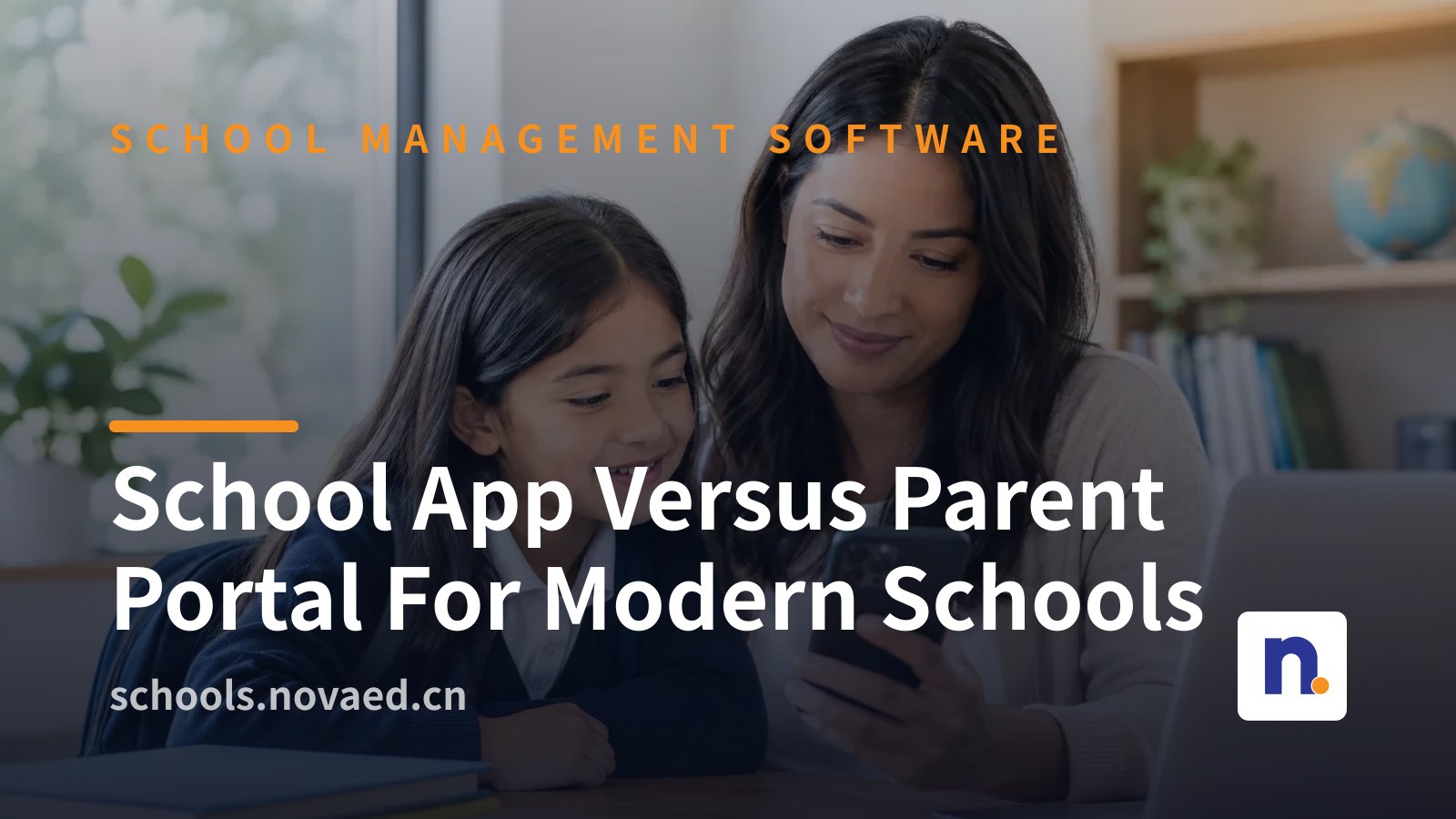
School App Versus Parent Portal For Modern Schools
A missed invoice or unread attendance notice often reflects more than poor communication, it reveals fragmented family data management. This article distinguishes school apps, optimized for timely mobile alerts like closures or deadline reminders, from parent portals, designed for secure, in-depth tasks such as reviewing reports or updating contact details. But the critical issue isn’t interface preference, it’s whether both channels share one authoritative student and family record. Disconnected systems force staff to duplicate entries, reconcile mismatched contacts, and chase inconsistencies across admissions, finance, and operations. For multi-campus or globally mobile families, this fragmentation undermines trust, delays action, and obscures enrollment trends and engagement metrics.