A prospective parent opens five school websites, compares tuition, checks locations, and reads promises about individualized learning. The school that earns the inquiry is rarely the most visually striking. It is the one that answers the next question clearly, builds confidence, and makes the next step frictionless. This guide focuses on practical conversion: turning anonymous website traffic into qualified family conversations. It shows how international, bilingual, independent, and multi-campus schools align website design with admissions operations, not just marketing. Topics include defining meaningful conversions, structuring pages around real parent questions, optimizing forms for intent over volume, ensuring multilingual parity, mobile-first actions, trust signals, and connecting web data to CRM workflows. Conversion fails when data sits in silos or requires re-entry.
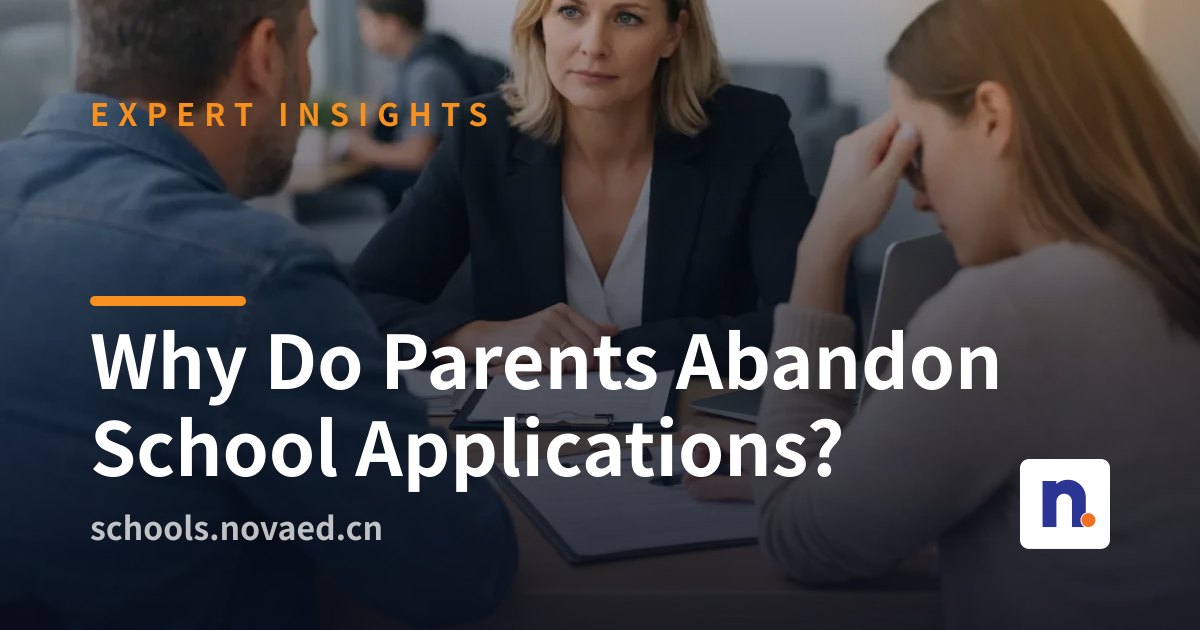
Parents often abandon school applications not due to disinterest, but because of invisible friction points in the process: redundant information requests, unclear next steps, delayed or generic responses, and requirements presented without context or purpose. These experiences create confusion, fatigue, or doubt, leading families to pause rather than withdraw. When schools unify data across departments, stage document collection meaningfully, offer multilingual explanations, and respond with timely, informed messages tied to family-specific intent, many paused applications can resume. This shift turns operational gaps into moments of trust-building and increases enrollment continuity without adding manual workload. This guide shows international and bilingual schools how to find those friction points and restore enrollment momentum with clearer, connected admissions workflows for families every day.
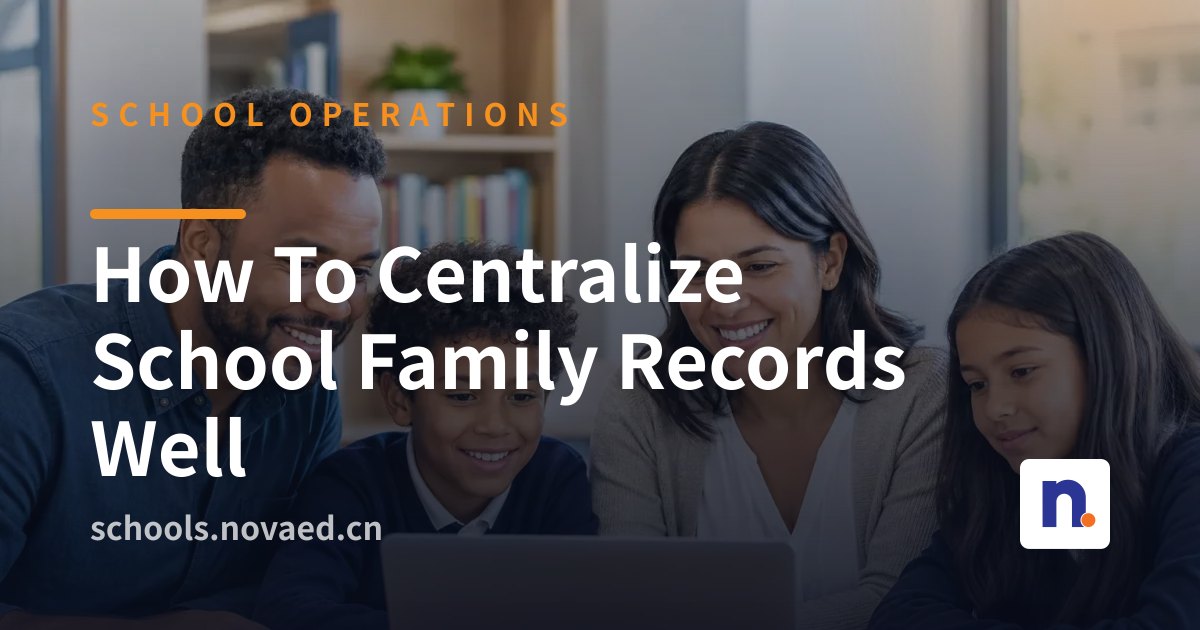
A parent changes a phone number during admissions, but the update never reaches finance, transportation, or the homeroom teacher. An invoice goes to the wrong guardian. Two siblings appear under separate households. At re-enrollment, staff rebuild information the school already collected. These are not isolated administrative errors. They are signs that the school does not yet have a connected family record. Understanding how to centralize school family records starts with a practical shift: family data is not simply contact information. It is institutional context. It connects each learner to guardians, siblings, emergency contacts, authorized pickups, billing responsibility, communication preferences, documents, support history, and the full relationship a family has with the school through one shared governed source of institutional truth.
Student WellbeingPISAStudent Understanding
The PISA Results Are Out. I Keep Thinking About The Other 88 Percent.
This year's PISA results show socio-economic background accounts for just 12% of the variation in science performance among students within the same country. That means over 88% of the difference stems from factors schools can actually notice and act on: motivation shifts, help-seeking behavior, sense of belonging, classroom engagement patterns, and changes in extracurricular participation. These clues exist in admissions interviews, attendance logs, pastoral notes, activity sign-up lists, and teacher observations, but rarely speak to one another. Understanding a student is not about ranking systems. It is about integrating fragmented insights to support the individual child behind the score. That integration is where meaningful responsiveness begins. This reflection asks what schools can notice when those signals finally connect in practice.
School StrategyRetentionFamily Engagement
School Retention Strategy Guide For Stronger Continuity
Retention is not a seasonal enrollment task—it’s a continuous, school-wide practice woven into every stage of the student journey: inquiry, assessment, placement, onboarding, and academic transition. When admissions, academics, pastoral care, finance, and communications operate from fragmented data, schools respond too late. Stronger continuity emerges when teams share context—not just files—and act with shared accountability. Early warning signs—like shifting attendance, communication gaps, or academic progress against expectations—gain meaning only when viewed together, with permission-aware access and a consistent rhythm of cross-functional review. This guide outlines how schools can embed retention in daily operations, not just annual reports. International, bilingual, independent, and multi-campus schools retention depends on how well admissions, academics, pastoral care, finance, and communications work from the same record.
Many international, bilingual, and multi-campus schools collect abundant data, but it lives in silos, updates inconsistently, and reaches decision-makers too late. Effective school analytics bridges these gaps by unifying admissions, academic progress, student support, finance, and family engagement into one coherent view. It shifts focus from isolated reports to timely, role-appropriate insights: Which inquiry sources yield qualified applicants? Where do families pause in the enrollment journey? Are interventions being followed through? How do attendance, language development, and wellbeing indicators intersect? When aligned with real workflows, not just dashboards, analytics becomes part of a school's operating rhythm, turning observations into coordinated action. This guide shows school leaders how to build that rhythm with connected records and much clearer daily operating decisions.
When parents receive conflicting updates about the same student, or must repeat questions to admissions, finance, and teachers, the issue is not volume. It is fragmentation. Centralizing parent communications means unifying data, not just messages. It starts with a single, secure, role-based student and family record that connects enrollment status, academic notes, billing history, communication preferences, and past interactions. This enables consistent responses, reduces staff duplication, strengthens handoffs, and supports multilingual, multi-campus contexts. Channel discipline matters too: email for formal documents, portal alerts for time-sensitive actions, SMS for urgent changes, and calls for sensitive topics. Ownership, workflow design, and language settings must be defined, not automated, first. This guide shows international and bilingual schools how to build that structure carefully.
School Operationsdata-integrationschool-operations
School data silos rarely stem from a single flawed software choice. Instead, they accumulate over time, driven by departmental priorities, evolving workflows, and systems never built to interoperate. The consequences are tangible: duplicated effort, fragmented student records, delayed decisions, inconsistent parent communication, and limited visibility across the learner journey. This article identifies eight common structural breaks, including tool purchases made in isolation, treating the student lifecycle as disconnected projects, reliance on manual handoffs, absence of shared identity standards, role-inappropriate access controls, and reporting built separately from operations. Understanding these helps international and bilingual schools move toward integrated, reliable, and family-centered data practices without adding another disconnected cleanup project that fades by next term and leaves data ownership unclear once again.
School OperationsData LiteracyEnrollment Strategy
Best School Reporting Dashboards For Clearer Decisions
Choose the best school reporting dashboards with connected data, clear role-based views, and timely insight for academic, financial, and enrollment teams. The strongest dashboards do not multiply charts from disconnected systems. They draw from one student and family record so leaders can see pipeline health, fee collection, attendance, retention risk, and campus performance without reconciling exports. Role-based views matter: admissions, finance, academics, and heads of school need different questions answered from the same trusted source. This guide explains what school reporting dashboards should show, how to avoid vanity metrics, and how international and bilingual schools can choose platforms that turn operational data into clearer decisions rather than another weekly spreadsheet pack that arrives far too late to guide real action.
When a parent receives duplicate payment reminders or a counselor uses an outdated phone number, the issue is rarely human error. It is fragmented data. This article outlines a practical school data audit: begin with the student lifecycle and the decisions your data must support; map where data lives and flows across admissions tools, finance systems, spreadsheets, and staff files; define a trusted source and owner for each critical data domain; then assess quality across six operational dimensions, completeness, accuracy, consistency, timeliness, uniqueness, and validity, using real records, not just spreadsheets. The goal is clearer control for international and bilingual schools without creating another disconnected cleanup project that fades by next term and leaves critical data ownership unclear once again.